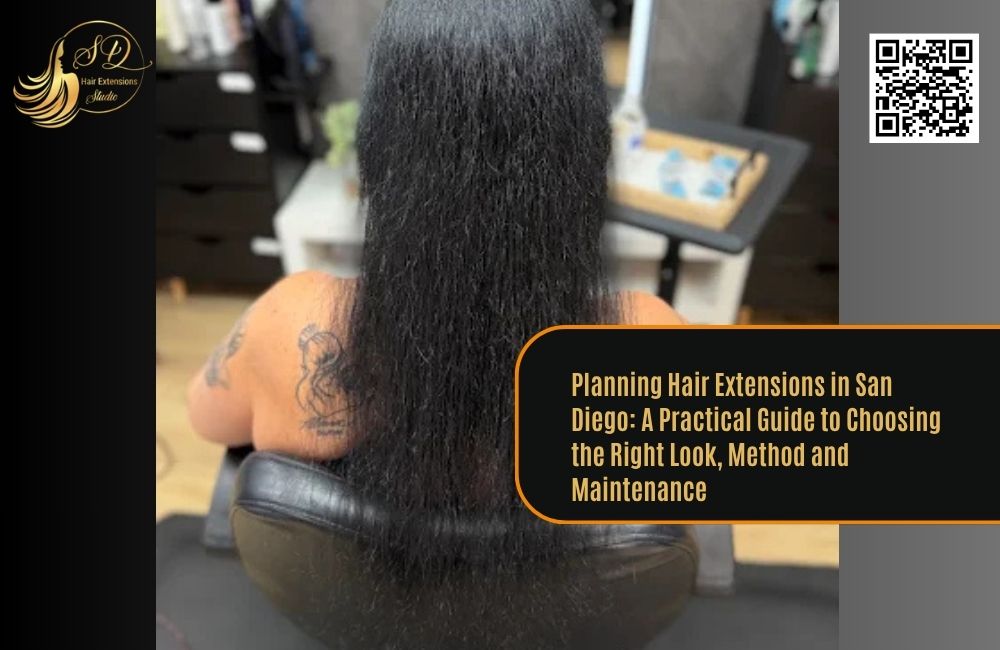
Planning Hair Extensions in San Diego: A Practical Guide to Choosing the Right Look, Method and Maintenance
Choosing Hair Extensions is not simply a beauty decision. It is a planning process that should account for your natural hair, desired result, daily routine, budget, maintenance schedule, and long-term comfort.
A thoughtful plan also considers San Diego’s active coastal lifestyle. Frequent workouts, beach days, humidity, sun exposure, and heat styling can affect how an installation should be placed and maintained. Clients who swim often may need a different care routine from clients who mainly wear polished office styles. Sharing these habits during the consultation gives the specialist information, helping them recommend an attachment method and maintenance schedule that fit real life instead of creating a look that becomes difficult to manage after the first appointment.
Start With the Result You Actually Want
Before comparing methods, define the change you hope to see. Some clients want dramatic length, while others need fuller ends, added density around the sides, or improved coverage near the crown.
A clear goal helps the stylist avoid adding more hair than necessary.
Length, Volume or Both?
Adding length without enough density can create thin-looking ends. Adding volume without considering the haircut can create bulk in the wrong areas. For example, a client with shoulder-length hair may achieve a stronger transformation by adding moderate length and fuller ends rather than choosing the longest available option.
Temporary or Long-Term Change?
Clip-ins may suit occasional styling, while K-Tips, tape-ins, and wefts are designed for longer wear. Your schedule, comfort preferences, and willingness to attend maintenance appointments should influence the final choice.
Match the Method to Your Lifestyle
The Best Hair Extensions are not necessarily the most popular. They are the ones that support your routine without making everyday care unnecessarily difficult.
K-Tips for Flexible Movement
K-Tips are installed as individual strands using small keratin bonds. This placement can provide natural movement and make it easier to distribute volume precisely.
However, careful brushing and product placement are important because oils and direct heat can affect the bonds.
Tape-Ins for Flat, Lightweight Wear
Tape-ins use thin adhesive sections that sit close to the scalp. They can be a practical choice for clients who want a faster appointment and a smooth, lightweight feel.
Because the tapes are reused, regular removal and reapplication must be completed professionally.
Wefts for Fuller Density
Wefts add hair across wider sections and can create significant fullness through the lengths and ends. Clients who want noticeable volume may prefer this method, but scheduled adjustments are necessary as the natural hair grows.
Why Hair Type Changes the Recommendation
A method that works beautifully for one person may be unsuitable for another.
Fine or Sparse Hair
Fine hair usually needs lighter attachments, controlled weight, and discreet placement. Smaller K-Tip bonds, selected tape panels, or a targeted volume plan may be considered.
Short Hair
Short hair requires enough coverage to hide attachment points. The stylist may recommend a realistic increase in length and use cutting or layering to soften the transition between the natural hair and extensions.
Curly or Wavy Hair
Texture matching matters as much as colour. Extensions should complement the natural curl or wave pattern and fit the way the client normally styles the hair after washing.
Thick Hair
Dense hair often requires more extension hair to maintain a balanced silhouette. Without enough added density, the natural sections may appear heavier than the new lengths.
Colour Matching Is More Detailed Than It Looks
Many people searching for Hair Extensions Near Me focus first on distance or price. A more important question is whether the provider can create a precise colour and texture match.
Natural hair usually contains multiple tones. Roots may be deeper, ends may be lighter, and highlights may change under indoor and outdoor lighting.
Multi-Tonal Blending
A stylist may combine two or more extension shades to reproduce natural dimension. This can be especially effective for highlighted, balayage, or sun-lightened hair.
Texture and Shine
Even a close colour match can look obvious when the extension hair has a different texture or level of shine. San Diego Hair Extensions Studio uses 100% virgin Slavic human hair in different shades, textures, and lengths. The studio also has access to custom-made tapes, wefts, clip-ins, wigs, and related products produced through its own factory in Russia.
Plan for Maintenance Before Installation
Clients should understand the care schedule before committing to a method.
Daily Care
Brush gently from the ends upward, support the attachment area, and avoid rough pulling. Wash the scalp carefully, keep heavy conditioners away from bonds or tapes, and dry the roots thoroughly.
Styling Habits
Use heat protection and keep hot tools away from attachment points. Before sleeping, secure the hair in a loose braid or low ponytail to reduce friction and tangling.
Salon Visits
Maintenance timing varies by method and natural growth. Tape-ins and wefts require repositioning, while K-Tips eventually need professional removal and replacement.
Ignoring maintenance can affect comfort, visibility, and the condition of both the natural hair and extensions.
How to Prepare for a Consultation
A useful consultation is a two-way conversation. Be ready to discuss:
Your preferred length and volume
Previous colouring or chemical services
Any breakage, sensitivity, or scalp concerns
How often you use heat styling
The hairstyles you wear most frequently
How much maintenance time you can commit to
Clients comparing Hair Extensions San Diego services should also ask who performs the installation, what training they have completed, which hair is used, how removal works, and whether the recommended method can be reused.
Common Planning Mistakes to Avoid
It is risky to delay maintenance, use products not suited to the attachment method, or attempt removal at home.
A personalised plan should protect the natural hair, support realistic styling, and make the finished result easier to manage.
Frequently Asked Questions
How long does an extension consultation take?
Consultation length varies, but it should allow enough time to assess the hair, discuss goals, compare methods, review colour options, and explain maintenance.
Can extensions be customised for a subtle result?
Yes. Extensions can be used for modest fullness, stronger ends, side volume, or targeted coverage without creating a dramatic change.
Are premium extensions reusable?
Some methods, including tape-ins and many wefts, may allow reuse when the hair remains in good condition and is professionally maintained.
Can I colour my extensions after installation?
Colour changes should be discussed with the specialist first. Premium human hair offers styling flexibility, but unnecessary chemical processing may affect quality and longevity.
What should I do if an attachment feels uncomfortable?
Contact the studio promptly. Persistent pulling, irritation, or unusual tension should be evaluated rather than ignored.
Choose a Plan Built Around Your Hair
The right extension service begins with clear goals, professional assessment, premium material, and realistic aftercare. A qualified Hair Extensions Salon should help clients compare methods and create a plan based on natural density, texture, colour, lifestyle, and desired result.
Schedule a consultation in Cardiff to explore K-Tips, wefts, tape-ins, toppers, and custom extension options designed around your hair rather than a standard package.
San Diego Hair Extensions Studio
Address: 2151 Newcastle Ave, Cardiff, CA 92007, United States
Phone: +1 858-205-2043
